


UAlbany’s Retention Rate Steadily Rises Post-COVID
By Shaira Areeba | December 8, 2025

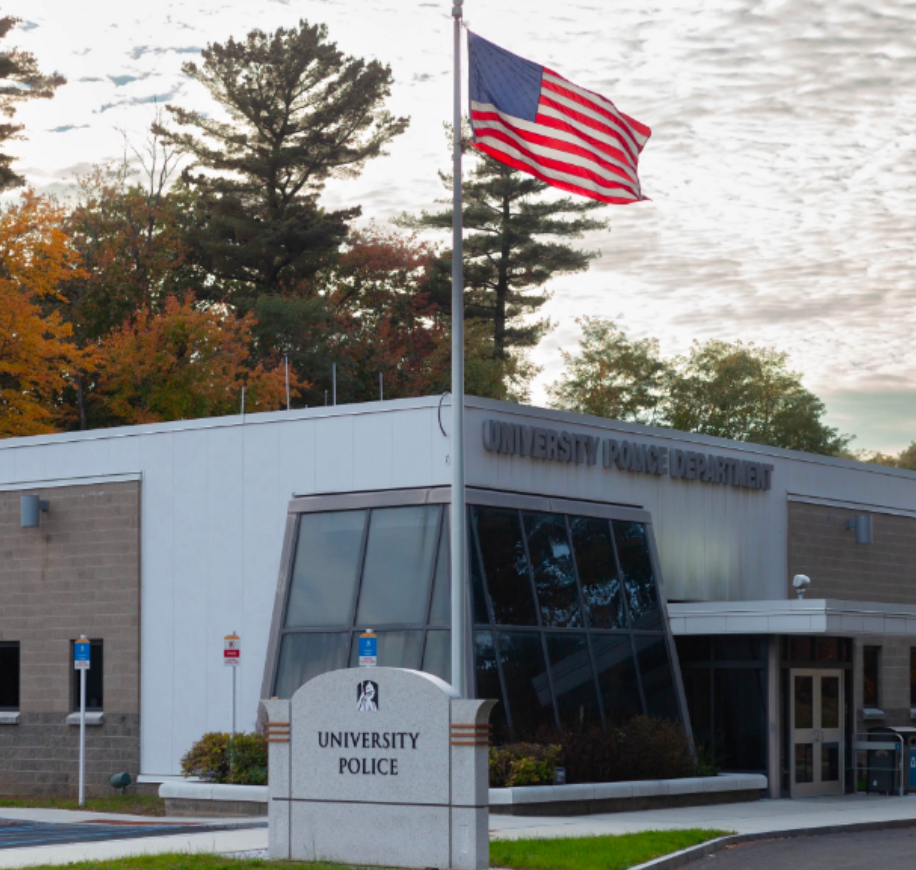
Photo Credit: Wikimedia Commons
The first year can be challenging for most college students. It’s the year spent adjusting and understanding how to balance classes, work and personal life, all the while trying to figure out if this is where they belong.
But for universities, the same first year holds a different kind of weight. It determines how many students will return for their second year, an important gauge of how well the university supports its students academically, socially and personally.
According to JoAnne Malatesta, Vice Provost and Dean of Undergraduate Studies at the University at Albany, the percentage of first-time, full-time freshmen who come back for their second year has increased steadily over the past few years, especially after a concerning decline before the COVID pandemic.
At UAlbany, the freshman retention rate has increased nearly five percentage points over the past six years, rising from 79.7% in 2018 – the university’s lowest mark in more than a decade – to 84.4% in 2024, Malatesta told the ASP.
In 2017, the retention rate stood at 81%, but by the following year’s cohort, it had dropped. The rise in retention during the pandemic was unexpected, she said.
For the 2019 cohort, just months before COVID, the rate rose to 83.1%, a change she explained was influenced by fewer students transferring or withdrawing during lockdown.
Malatesta said the increase wasn’t necessarily the result of institutional improvements but an “artificial bump” brought on by the challenges of the nationwide shutdown. “Students weren’t transferring or leaving because they didn’t know what to do during COVID, and we saw fewer students withdraw,” she said.
Once classes and campus life began returning to normal, the rate had dropped slightly to 81.8% in 2021 as the pandemic disruptions eased and students began transitioning again. But the downward trend did not last long. In the years that followed, the rate began rising steadily.
From there, UAlbany’s numbers climbed to 82.7% in the 2021 cohort, 83.3% in the 2022 cohort, 83.6% in the 2023 cohort and 84.4% in the 2024 cohort.
“That’s been a very positive trend for us,” Malatesta said. “Even though it’s just a one-percent increase in retention, we see larger gains in graduation rates. That one percent makes a real difference,” she added.
UAlbany’s data also show that retention among Pell-eligible and first-generation students remains comparable to non-Pell students, which Malatesta noted as "uncommon” in higher education.
Compared with other SUNY universities, UAlbany’s overall retention rate is similar to that of the University at Buffalo, slightly below Stony Brook and Binghamton, and higher than most SUNY comprehensive colleges.
The increase, Malatesta said, reflects intentional campus-wide efforts to retain students.
Malatesta explained understanding why students leave has been a central focus for the university. A few years ago, UAlbany revamped its simple withdrawal checklist to a Likert scale, a tool that allows students to rate the extent to which each factor influenced their decision. Students can now tell whether that issue was the main reason they left or just part of it.
The results confirmed what many admissions, especially those working closely with student success and enrollment, had expected: financial stress and mental health challenges are the leading causes of whether students stay enrolled.
“Financial issues and mental health go hand in hand,” Malatesta said. “If you’re worried about money, you’re stressed and anxious, and that affects persistence.”
To address those challenges, UAlbany has created several support initiatives since 2019. TimelyCare, a 24/7 virtual counseling service, was introduced to provide greater mental health access. Also, the Financial Coaching for College Success (FACTS) was launched, connecting students with financial coaches for one-on-one assistance.
According to Malatesta, the university also relies on data analytics through platforms like Power BI to measure the impact of these efforts. Along with using data to track student progress, UAlbany also adjusted its advising system in 2019, creating a more unified approach that gives students consistent, personalized guidance across departments.
“We track as much as we can,” Malatesta said. “If students get a progress report saying they’re struggling, we reach out with tutoring options and see how many take advantage of it.”


Comments